
講題:
Genomics meets Artificial Intelligence to transform Drug Discovery for Precision Medicine
時間(Time):14:00-15:30 PM, Oct. 15 (Thursday), 2026
地點(Place):Lecture Hall R1-B1122
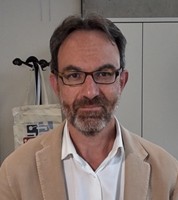
講者(Speaker):Prof. Andrea Cavalli
Abstract
The convergence of genomics and artificial intelligence is revolutionizing precision medicine. GPU-accelerated sequencing pipelines, optimized for high-performance computing infrastructure (HPC), now analyze whole genomes at varying depths in hours rather than days. In parallel, AI tools such as AlphaMissense, AlphaGenome, and EVO2 provide functional genomics annotations, while AlphaFold and Boltz-2 have revolutionized protein structure prediction. In this context, our clinical and computational genomics project demonstrates this integration across neurodegenerative, oncological, and rare disease cohorts, generating over 6000 genomes (40x germline and 100x somatic) with petabyte-scale data. Combining AI-driven pathogenicity prediction with drug repurposing and HPC enables personalized therapeutic strategies from patient sample to patient treatment in a few days. This multi-disciplinary approach, which bridges genomics and transcriptomics with biomarker discovery, structural biology, and drug discovery/repurposing, advances personalized diagnostics, prognostics, and therapeutics.
Biography
Andrea Cavalli is Director of CECAM (Centre Européen de Calcul Atomique et Moléculaire) at EPFL in Lausanne, Switzerland, and Professor at the University of Bologna. His research sits at the interface of computational physics, chemistry, and biomedicine, with a focus on cancer. He has developed and applied advanced algorithms and protocols for estimating binding free energy through enhanced-sampling molecular dynamics simulations, and has used these methods to design molecules that induce synthetic lethality in anticancer drug discovery. Alongside this structure-based work, his group develops bioinformatics and machine learning approaches to analyze multi-omics data, integrating genomic, transcriptomic, and proteomic information to identify biomarkers, stratify patients, and predict treatment response. This computational pipeline, spanning from atomistic simulation to clinical data analysis, supports a precision medicine strategy in which drug candidates are matched to molecular disease profiles. These studies are carried out in close collaboration with hospitals, bridging rational drug design and multi-omics-driven diagnostics with (pre)clinical applications, and translating computational insight into patient-relevant outcomes.